

The Ashadi Wari or the Pandharpur Wari is currently underway in Maharashtra, where the Warkaris, devotees of Vithoba, undertake the journey to Pandharpur, the abode of Vithoba, an avatara of Vishnu, by foot. A joyous celebration where Hindus join together cutting across all castes, walking by foot, singing kirtanas.
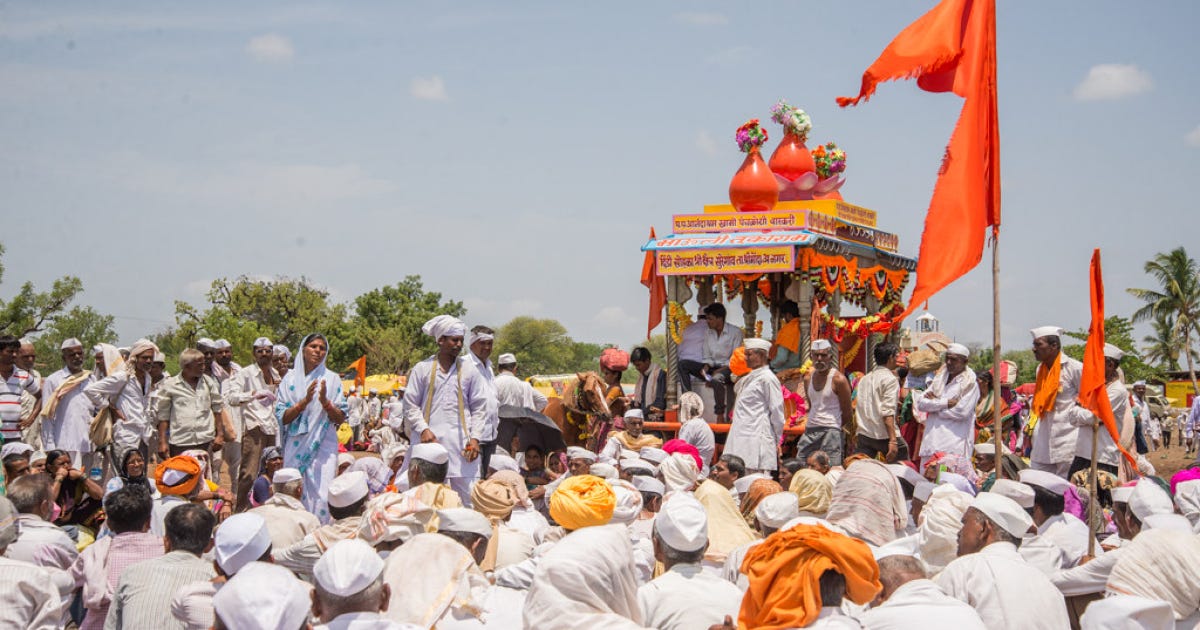
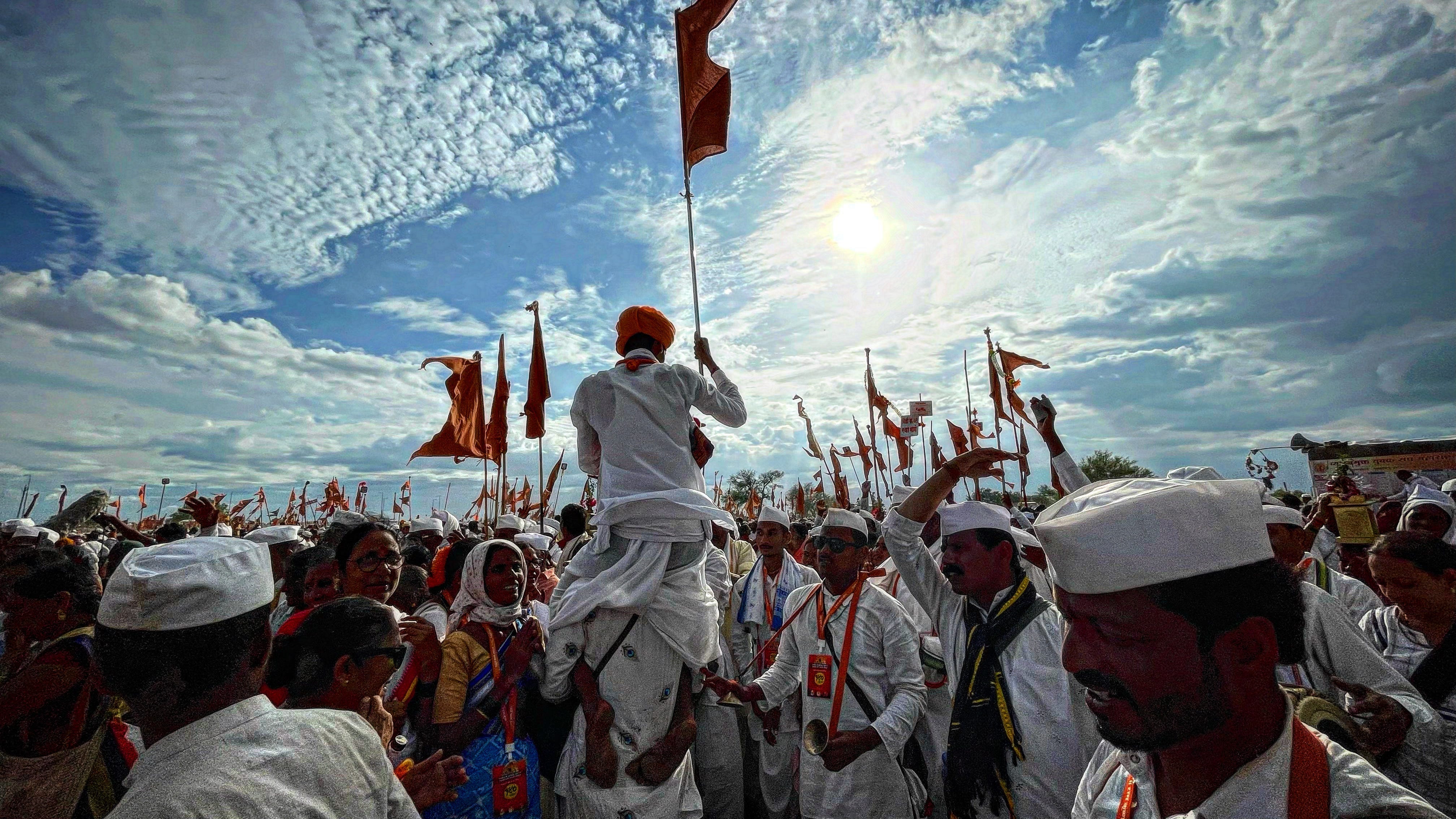
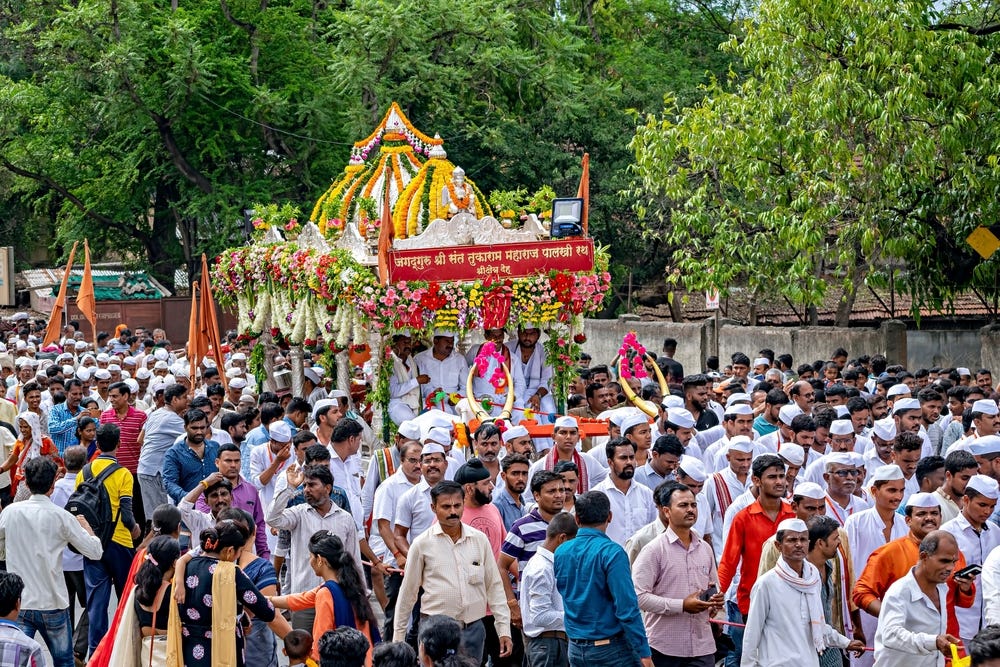
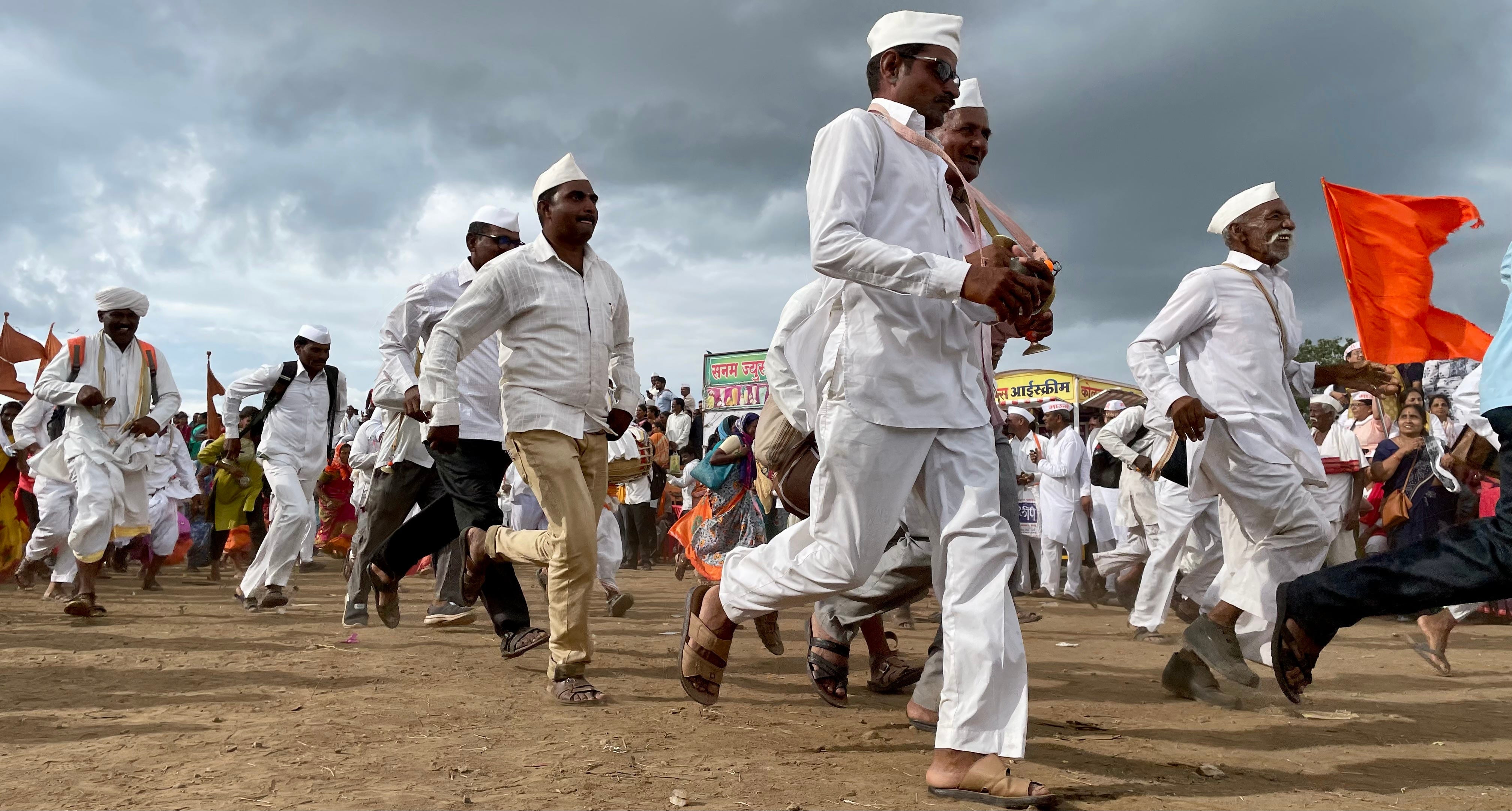
The Ashadi Wari is the Yatra, that is held during the month of Ashada that culminates on Shayan Ekadashi, considered one of the holiest days for Vaishnavas. It’s believed Vishnu goes to sleep on Adisesha, in the Ksheera Sagara for a period of four months, called the Chaturmasa, and he wakes up again in Karthika, on Prabhodhini Ekadashi. The Warkaris carry the Padukas of the Bhakti era saints Tukaram, Eknath and Jnaneswar from Dehu,Paithan and Alandi respectively.
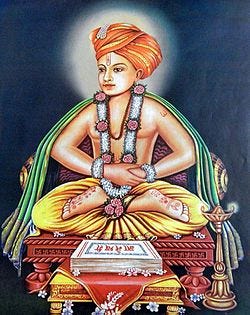
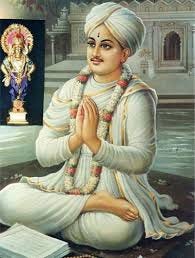
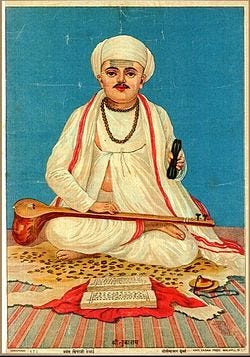
Sant Jnaneswar was the one who wrote the Marathi commentary on Bhagavad Geeta called the Gnaneswari, as well as Amrutanubhav, both considered landmarks of Marathi literature. Sant Eknath and Sant Tukaram were famous for their Abhangas and Keertanas.
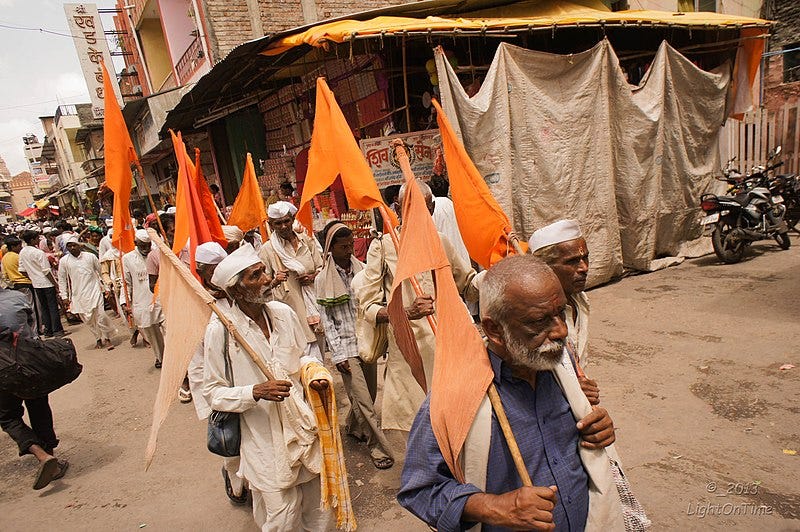
Who are the Warkaris?
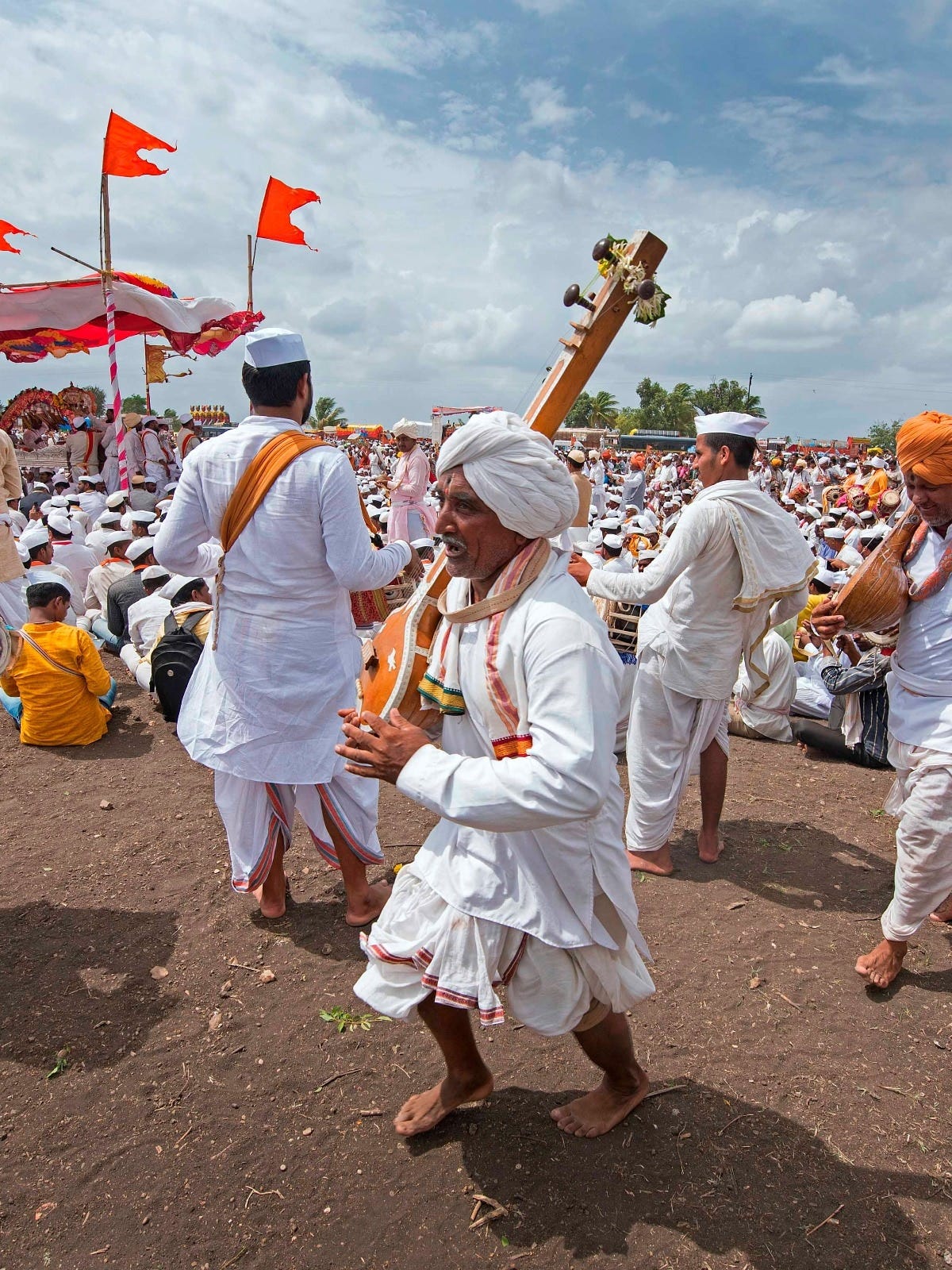
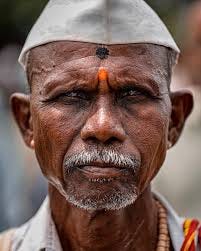
The Warkaris are a Hindu sampradaya founded around the 13th century, during the Bhakti movement, which was at it’s strongest in Maharashtra. They are devotees of Vithoba, and wear a Tulsi mala around their neck, to ensure that they never forget God.
Their foreheads are adorned with the Gopichandan Tilak, and they recite the Haripath daily. They follow the teachings of the Sants of the Bhakti movement, who include Dyaneshwar, Tukaram, Chokamela, Namdev and Eknath, regularly do Bhajans and Kirtanas, and observe the Ekadasi fast.
Their diet is a sattvic vegetarian one, which even excludes onion and garlic, they avoid alcohol and tobbaco. They practice a form of celibacy, and their life entirely centers around Vittoba and his worship.
They begin any task with the chant of Pundalik Varada Hari Vitthal Shri Dnyandev Tukaram | Pandharinath Maharaj ki Jai , which is considered the Warkari Mahavakya.
There are couple of theories on the origin of the Pandharpur Wari, one states that it was started by Vittalpanth the father of Sant Dyaneshwar, another states that it was the son of Tukaram, who began this practice. The Wari has devoteess across all castes and communities, one of the main principles of the Warkaris, is to avoid any form of caste discrimination, as they consider every human being to be an embodiment of Brahma himself.
However it’s believed that the tradition of the Wari was started by Pundalik the devotee of Vithoba, and a practioner of Kundalini Yoga, much before Gnaneswar. It’s believed that Rukmini had once got angry with Shri Krishna and left him, in search of he came to a village called Dindiravan, where he saw the home of Pundalik, and called him out. However Pundalik asked Krishna to wait as he was attending to his parents and threw a brick outside, on which Krishna stood.
When Pundalik asked Krishna to reside there permanently, he promised him that he would do so after his Avatar comes to an end. The village of Dindiravan came to be called as Pundalikpur, which in due course of time became Pandurangapur.
The Ashadi Wari is the most prominent, where the palkis of all the Sants come in a procession to Pandharpur, while during the Karthika Wari, they do the return journey to their respective villages. You also have the Magha and Chaitra Waris too.
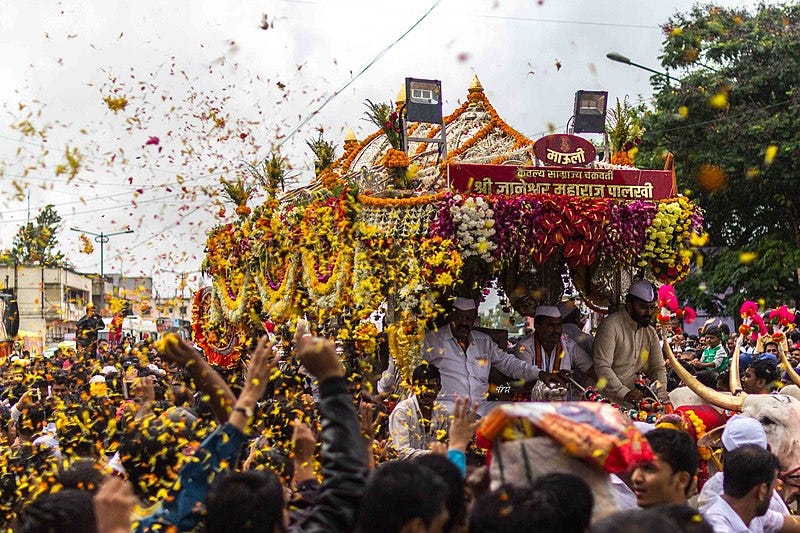
The tradition of carrying the Padukas of the Sants in a Palki was started by Haibat Baba, the Deshmukh of Aarfal village in Satara district. While Sant Tukaram’s son Narayana Guru, began the tradition of carrying his father’s padukas from Dehu to Pandharpur by Palki.
One of the main features of the Wari is organizing the devotees into groups called Dindi, which has a head who leads the Yatra. They arranged the accomodation, food,and other facilities for the Warkaris all along the route. And the members of the Dindi move along the route in perfect coordination, accompanying the Palki.
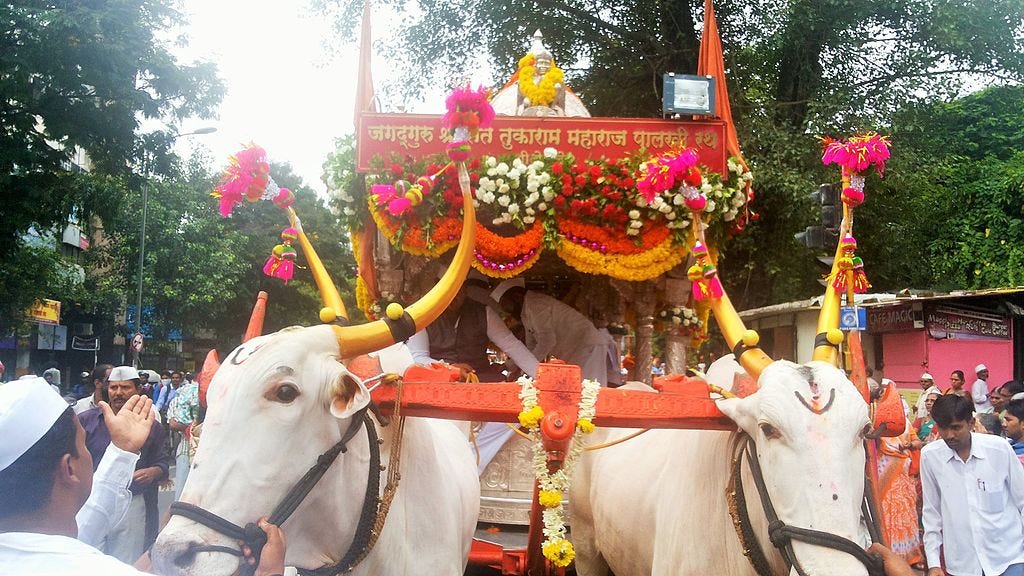
The Palkhis are carried on a ox cart drawn by Khillar bulls, known for their strength, that suits the ardous journey. There is a team of doctors who attend to these bulls at every stop over to check their health.
Sant Gyaneswar’s Palki is carried from Alandi, and only six families in the village get to choose the bullocks to carry this. Sant Tukaram’s Palki is carried from Dehu, and two families get the honor of selecting the Khillar bulls. Here the bulls of one family pull the Palki on one day, and another family on the alternative day.
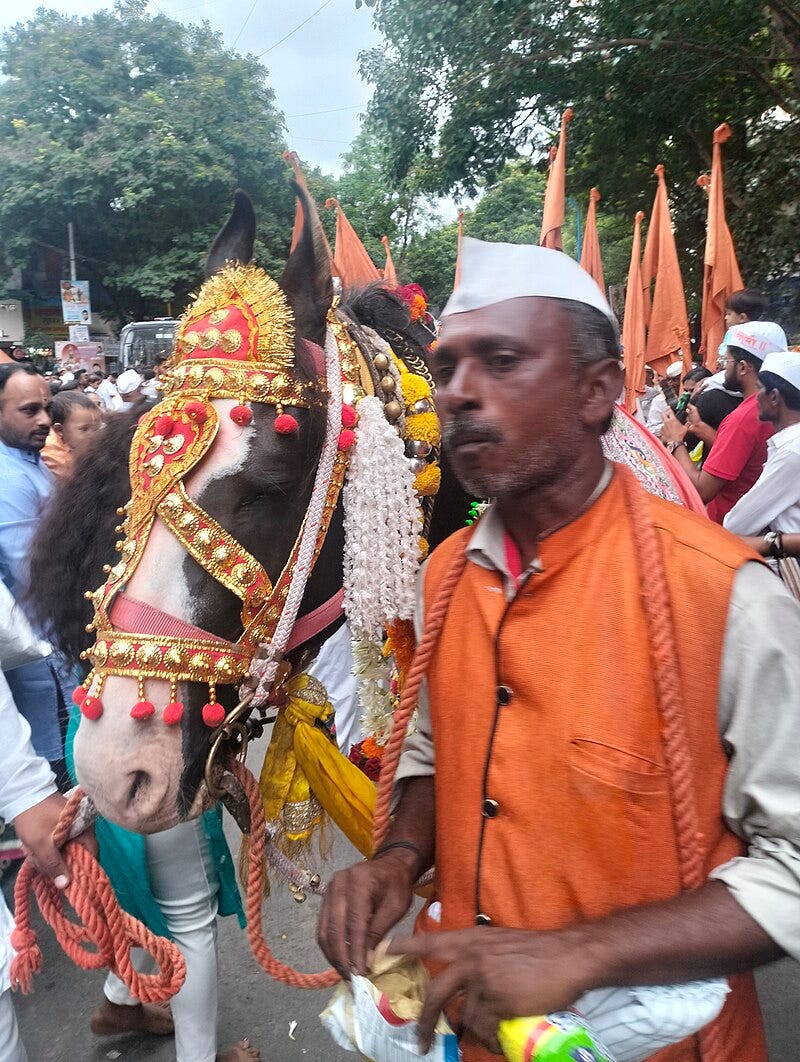
Ringan is one of the Wari’s special attractions, where the Warkari stand in a circle in the open field, holding each other’s hands, and the horse of Sant Gyaneswar respectfully called “Maulicha Ashwa” runs.
The other attraction is the Dhava meaning Run, it’s believed that Sant Tukaram on his journey to Pandharpur, had a vision of Vithoba from a hill in Velapur, and ran to Pandharpur. In commemoration of this, the Warkaris run the last leg of the Wari from Velapur to Pandharpur.
The Pandharpur Wari is a joyous celebration of devotion, faith, which has thousands of devotees, walking on foot for 21 km, singing and chanting the name of Vithoba, as the air echoes with Keertans and Abhangs. The devotees come from all castes, and communities, and the Wari is representative of the egalitarian nature of the Bhakti movement, from which it originated.